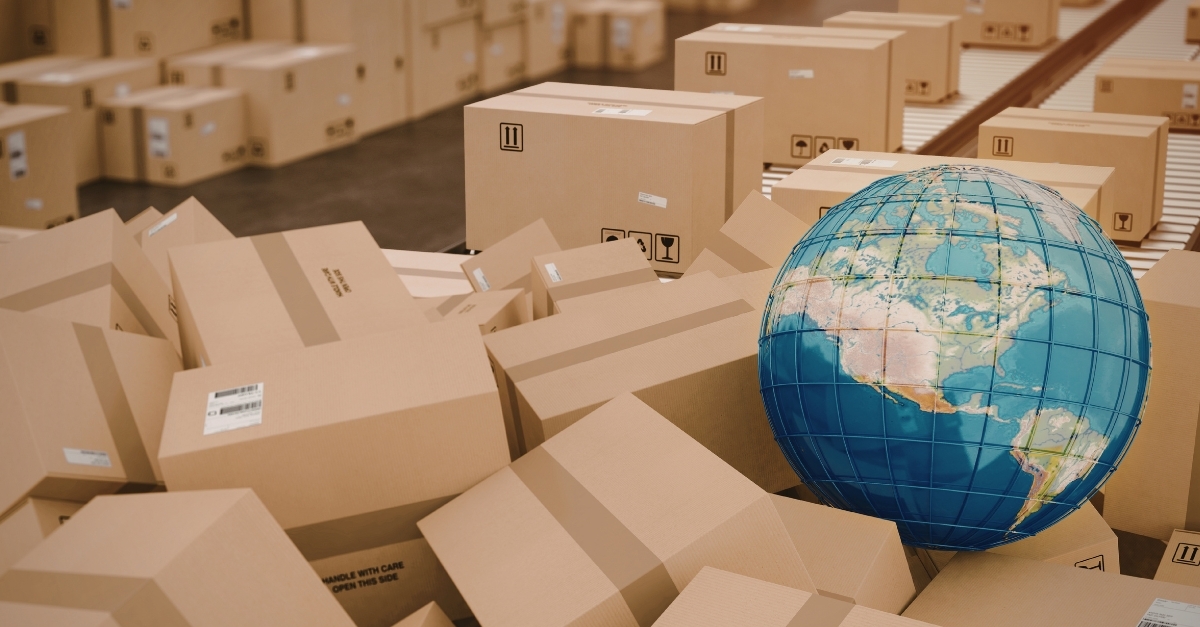
From March 24 to March 26, 2026, Messe Stuttgart in Germany will host LogiMAT Trade Show 2026, Europe’s largest trade show dedicated to materials handling, warehouse automation and next generation logistics technologies. This year’s event promises to be bigger and more forward looking than ever, bringing together industry professionals, innovators and decision makers from around the world to explore the technologies shaping tomorrow’s supply chains. More than just an exhibition, LogiMAT has established itself as the industry benchmark for intralogistics innovation, a milestone checkpoint where companies evaluate technological maturity, compare competing systems and assess which solutions are ready for scalable implementation.
LogiMAT has expanded significantly in recent years. In 2025, the show featured over 1,500 exhibitors and tens of thousands of visitors spread across all ten halls at Messe Stuttgart, demonstrating how central the event has become for anyone working in logistics and warehouse technology. For 2026, organisers have confirmed that the exhibition is fully booked with more than 1,600 exhibitors from over 40 countries, filling more than 120,000 square metres of exhibition space with cutting edge solutions.
What makes LogiMAT 2026 especially exciting is the strong trend focus and the clear evolution of showcased technologies. Industry observers expect:
AI and Data Driven Logistics Innovations
Artificial intelligence is moving from supportive functionality to core operational control within modern warehouses. At LogiMAT 2026, exhibitors are expected to present advanced AI applications that go far beyond basic automation. Intelligent warehouse control systems will demonstrate how real time data from order management, inventory levels and material flows can be continuously analysed to optimise performance.
Predictive inventory management is becoming increasingly precise. AI models can anticipate demand fluctuations, seasonal peaks and replenishment cycles based on historical and live data. This allows companies to reduce stockouts, minimise excess inventory and improve capital efficiency. Enhanced process decision making is another key focus. Algorithms can dynamically prioritise orders, adjust picking routes and rebalance workloads across zones, creating more agile and responsive fulfilment environments. The emphasis is on measurable improvements in speed, accuracy and cost efficiency rather than experimental innovation.
Robotics and Autonomous Material Handling
Robotics remains one of the most visible and rapidly evolving segments of the exhibition. A growing number of collaborative robots, autonomous mobile robots and automated guided vehicles will be on display. These systems illustrate how automation is transforming warehouse operations at every stage, from goods receiving and storage to picking, sorting and dispatch.
Modern robotic solutions are designed for flexibility and scalability. Instead of fixed installations that require extensive infrastructure changes, many systems now operate with modular architectures that allow companies to expand capacity step by step. Autonomous transport vehicles navigate safely through dynamic warehouse environments using advanced mapping and obstacle detection technologies. Shuttle systems and robotic picking arms are increasingly integrated into coordinated fleets controlled by central software platforms. This enables synchronised workflows where machines communicate in real time to avoid congestion and maximise throughput.
Sensor and Machine Vision Technologies
Sensor and machine vision technologies are becoming essential components of intelligent logistics systems. Exhibitors will emphasise advanced perception systems that function as the sensory layer of autonomous and semi autonomous operations. High resolution cameras, 3D imaging systems and intelligent scanners enable precise object recognition, barcode reading and dimensional measurement.
These technologies support automated quality assurance by identifying damaged goods, incorrect items or packaging defects before orders leave the warehouse. In robotic environments, sensors provide accurate localisation and safe navigation, allowing machines to operate efficiently alongside human workers. When combined with AI driven analytics, perception systems continuously learn and improve detection accuracy. This creates self optimising environments where operational errors are reduced and process reliability is strengthened.
Packaging and Sustainability Solutions
Smart packaging technologies and environmentally conscious approaches continue to gain momentum as companies pursue both cost efficiency and reduced environmental impact. Automated right sizing systems are capable of selecting the optimal carton dimensions for each order, minimising empty space and reducing the need for filler materials. This not only lowers packaging costs but also decreases shipping volume and associated emissions.
Sustainable material innovations are also expected to feature prominently. Recyclable and biodegradable packaging options are being integrated into automated packing lines without compromising speed or durability. In addition, energy efficient machinery and intelligent energy management systems contribute to lower operational footprints within warehouses. The combination of smart automation and sustainable design demonstrates that environmental responsibility can align with economic performance.
Our Participation Together with NORCAN (Hall 8, Stand 8A51)
We are pleased to confirm that we will be participating in LogiMAT 2026 together with NORCAN SAS who have invited us to present alongside them. At this year’s exhibition, we will focus on smart packing and AI-driven quality control solutions designed for modern e-commerce operations.
Manual inspections slow down fulfillment and increase the risk of costly errors. That's where ACI SmartCheck comes in, a smart solution that enables real-time product verification, defect detection, and packaging optimisation directly within logistics workflows. The result? Faster processing, fewer human errors, and more efficient use of packaging space.
Our shared presence at this event highlights the importance of co-innovation and real-world solutions for operational challenges such as workforce shortages, digital integration, flexibility and cost management. LogiMAT remains one of the few places where decision-makers can directly compare systems, meet solution developers and experience live demonstrations of technologies that will shape logistics investments for years to come.
We’re also looking forward to connecting with some amazing companies at LogiMAT, including: AISCI Ident GmbH, Flowcate, Sherpa Mobile Robotics (SMR), cellumation , Jungheinrich AG, Uplift Ventures.
We can’t wait to meet our partners and industry professionals in Stuttgart.
Stay tuned for more updates on our activities at LogiMAT 2026!